Boost Office Printing Efficiency Tips
In a world where every penny counts, have you considered how your office printing habits might be affecting your bottom line? Enhancing printing efficiency not only saves costs but also boosts productivity in the workplace.
What You Will Learn
- Understanding the components of office printing efficiency, including cost, speed, and quality.
- Identifying hidden printing costs, such as ink, paper, and energy expenses, that can significantly impact your budget.
- How to conduct a print cost analysis to optimize your printing budget and resource allocation.
- Creating a comprehensive Print Management Implementation Checklist to streamline transitions to efficient practices.
- Engaging employees in best printing practices through training sessions and involvement initiatives.
- Adopting sustainable printing methods to reduce environmental impact while saving costs.
Understanding Office Printing Efficiency and Its Importance
In today’s fast-paced business world, understanding office printing efficiency is crucial. It not only helps in saving costs but also enhances productivity. By focusing on efficient printing practices, businesses can streamline operations and reduce waste.
When we talk about printing efficiency, we’re looking at how well resources are utilized in the printing process. This includes everything from the devices we use to how often we print. The goal is to maximize output while minimizing unnecessary expenses.
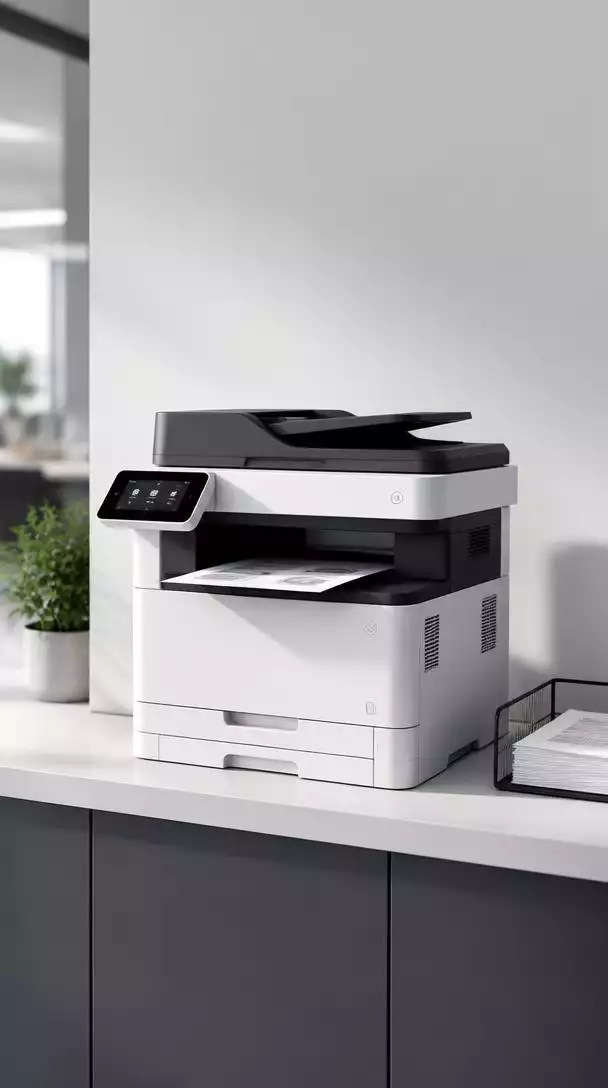
Defining Office Printing Efficiency
Office printing efficiency is all about finding the perfect balance between cost, speed, and quality. It involves several key components:
- Minimizing paper waste
- Reducing energy consumption
- Enhancing print quality
- Streamlining workflows
By effectively managing these aspects, companies can achieve a more productive and cost-effective printing environment. The higher the efficiency, the lower the overall costs associated with printing.
The Impact of Printing on Business Costs
Printing can significantly influence a business’s bottom line. Many companies overlook the hidden costs of printing, which can accumulate over time. Here are some of the key impacts:
- Ink and toner expenses
- Paper costs
- Repair and maintenance fees
- Energy consumption
Each of these factors contributes to the total cost of printing. Without careful management, these expenses can spiral out of control, affecting overall profitability. For further guidance on sustainable print management, the Federal Sustainable Print Management initiative offers valuable insights.
Exploring Print Cost Analysis for Budget Optimization
One effective way to manage printing costs is through a thorough print cost analysis. This process allows businesses to identify areas where they can cut costs and improve efficiency. Here are some steps to conduct a print cost analysis:
- Gather data on current printing activities
- Analyze cost per page for different devices
- Identify high-volume printers and usage patterns
- Review maintenance and supply expenses
By following these steps, organizations can pinpoint inefficiencies and create a budget that aligns with their printing needs. This proactive approach helps in optimizing expenditures and achieving better value from printing resources.
We Want to Hear From You!
What’s the biggest challenge your office faces when trying to improve printing efficiency? Share your thoughts below:
Frequently Asked Questions About Office Printing Efficiency
What are the main components of office printing efficiency?
How can businesses identify hidden printing costs?
What is a Print Management Implementation Checklist, and why is it important?
How can employees be engaged in adopting printing best practices?
What are some sustainable printing practices?
Implementing Change and Ensuring Long-Term Success
Implementing changes in your office printing practices is just the beginning; ensuring those changes lead to long-term success is where the real challenge lies. It’s vital to have a strategic plan in place that encompasses not only the initial changes but also the ongoing management and evaluation of your printing environment. With that in mind, let’s explore how to make these changes stick!
I recommend starting with a clear Print Management Implementation Checklist that will guide your team through the necessary steps towards achieving a more efficient printing environment.
Creating a Print Management Implementation Checklist
One of the best ways to ensure a smooth transition to a more efficient printing setup is to create a comprehensive checklist. This checklist can serve as a map for your implementation process and help keep everyone on track. Here are some essential items to include:
- Assess current printing needs and device capabilities
- Determine goals for reducing print volume and costs
- Identify employees who will be involved in the transition
- Establish timelines for implementation and review
- Document policies regarding print usage and sustainability
By keeping this checklist handy, your team can ensure that no important aspect is overlooked during the transition.
Engaging Employees in Printing Best Practices
Engagement is key when it comes to changing printing practices. Employees need to feel a sense of ownership over the new policies to ensure compliance and success. I like to host workshops or training sessions where we discuss the benefits of efficient printing and show how their actions contribute to overall savings.
- Provide hands-on training for new systems and equipment
- Share success stories to motivate the team
- Encourage feedback about the new practices and tools
Remember, making your team a part of the process not only enhances compliance but can also lead to valuable insights that could refine your approach further! The National Institutes of Health (NIH) offers excellent resources on mindful printing, which can be adapted for employee training.

Adopting Sustainable Printing Practices for Environmental Responsibility
In today’s world, adopting sustainable practices is not just a trend; it’s a necessity. By implementing eco-friendly printing strategies, you can reduce your environmental impact while also saving costs. It’s a win-win! Here are some approaches to consider:
- Use recycled paper and eco-friendly inks
- Encourage digital documentation to reduce paper waste
- Implement energy-saving settings on devices, as recommended by ENERGY STAR for imaging equipment.
Integrating sustainable practices into your printing strategy not only benefits the environment but can also enhance your company’s reputation and appeal to environmentally-conscious clients.
Summary of Key Takeaways for Improving Office Printing Efficiency
As we wrap up this section, remember that improving office printing efficiency requires a blend of strategic planning, employee involvement, and sustainable practices. By focusing on these areas, you can create a printing environment that is not only cost-effective but also responsible.
Recap of Effective Strategies and Tools
To summarize, here are some effective strategies we’ve discussed:
- Conducting a print audit to assess your current environment
- Creating a detailed implementation checklist
- Engaging employees in best practices
- Adopting sustainable printing methods
These strategies, when implemented thoughtfully, can lead to significant improvements in your office’s printing efficiency.
Call to Action: Start Your Office Printing Efficiency Journey
Now that you have the tools and strategies at your disposal, it’s time to take action! Start by evaluating your current printing practices and see where you can make improvements. Remember, every small step counts toward a more efficient and sustainable printing environment!
Recap of Key Points
Here is a quick recap of the important points discussed in the article:
- Understand office printing efficiency
The post Boost Office Printing Efficiency Tips appeared first on Printcom | Perth Managed Print Services, Printers & Support.
source https://printcom.com.au/boost-office-printing-efficiency-tips/

Comments
Post a Comment